What dyscalculia is
Dyscalculia is a learning difficulty with a neurobiological basis that mainly affects number sense —understanding what a quantity represents and how numbers relate to each other— and calculation. It is not explained by a lack of intelligence or effort. Diagnostic manuals (DSM) describe it as a specific learning disorder with impairment in mathematics.
It sometimes appears alongside other difficulties, such as dyslexia or ADHD, and is often accompanied by maths anxiety.
Symptoms of dyscalculia by age
- Early years (ages 4 and 5): finds it hard to count in order, to match each number to an object or to recognise small quantities at a glance.
- Ages 6 to 8: still counts on their fingers for simple sums, cannot remember basic facts such as 3 + 4 and confuses similar numbers (12 and 21).
- From age 8 or 9: mental arithmetic is very slow, finds it hard to decide which operation a problem needs and struggles with money, time or measurements.
No single symptom indicates dyscalculia. What matters is that several appear and persist despite practice.
Dyscalculia test: how NeurekaLab assesses maths
NeurekaCalc is NeurekaLab’s number processing and calculation test. It takes 15–20 minutes, scoring is automatic and the report is ready instantly.
It assesses the skills involved in learning maths —mental arithmetic, estimation, transcoding, the number line, the base-10 system and reasoning— and shows which ones to reinforce. Dyscalculia is always diagnosed by a professional: a psychologist, neuropsychologist or educational psychologist.
Exercises for children with dyscalculia
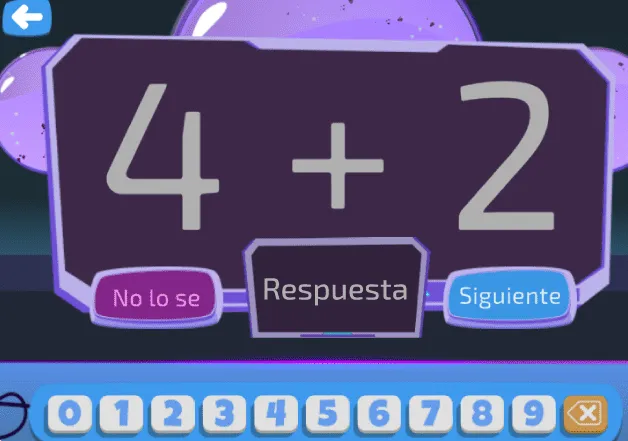
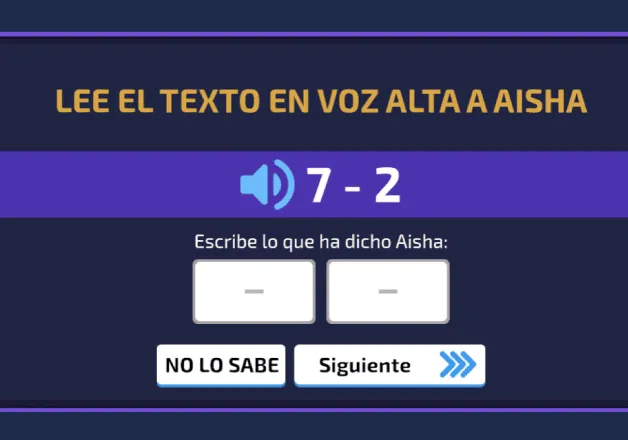
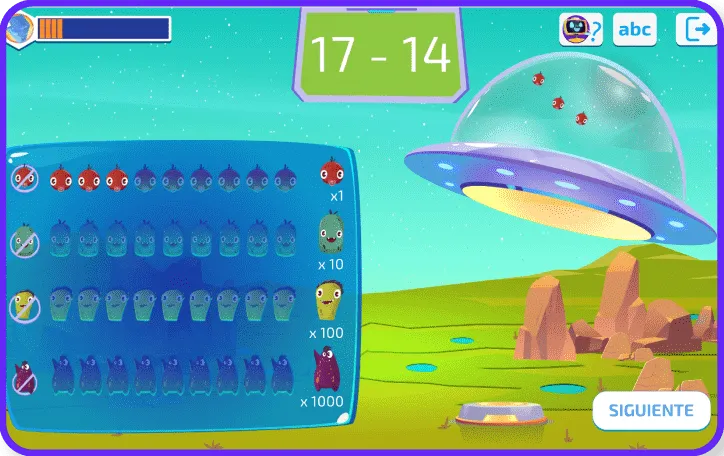
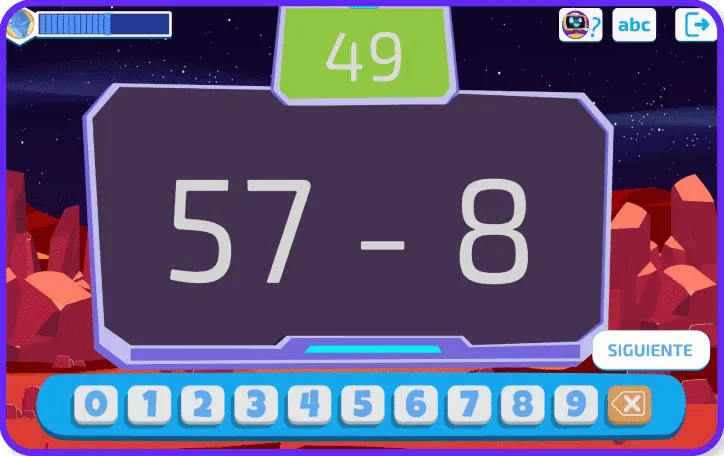
Based on the results, maths activities adapt automatically to each child’s level and progress. They work on the skills the child finds hardest, in short sessions of 15 minutes at most, and the child learns through play, without pressure.
- Families: at home, with the NLab Family app and easy-to-read progress reports.
- Schools: in the classroom, in the app or on paper worksheets marked with a photo.
- Professionals: in the clinic and at home between sessions, with objective progress data.
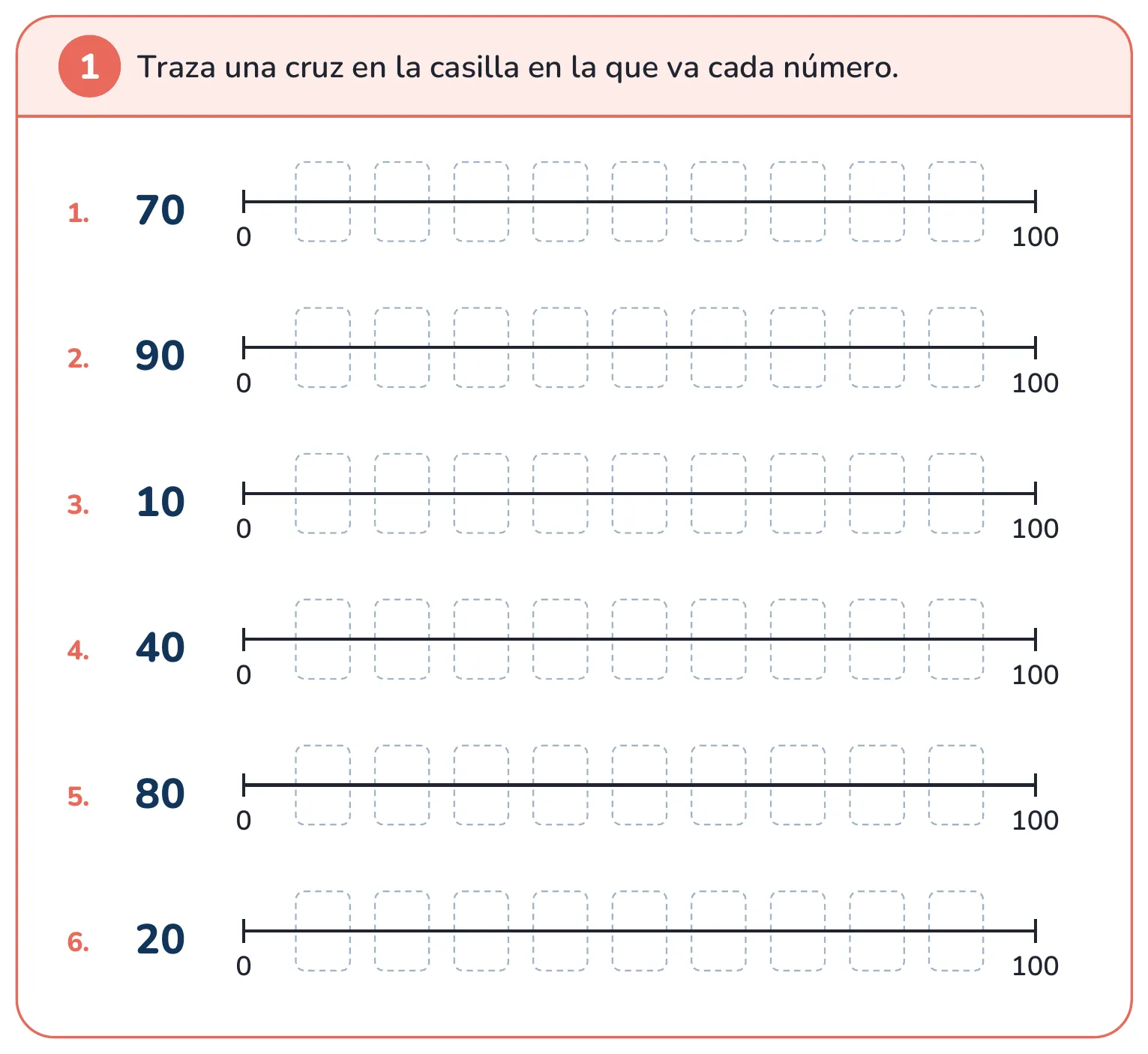
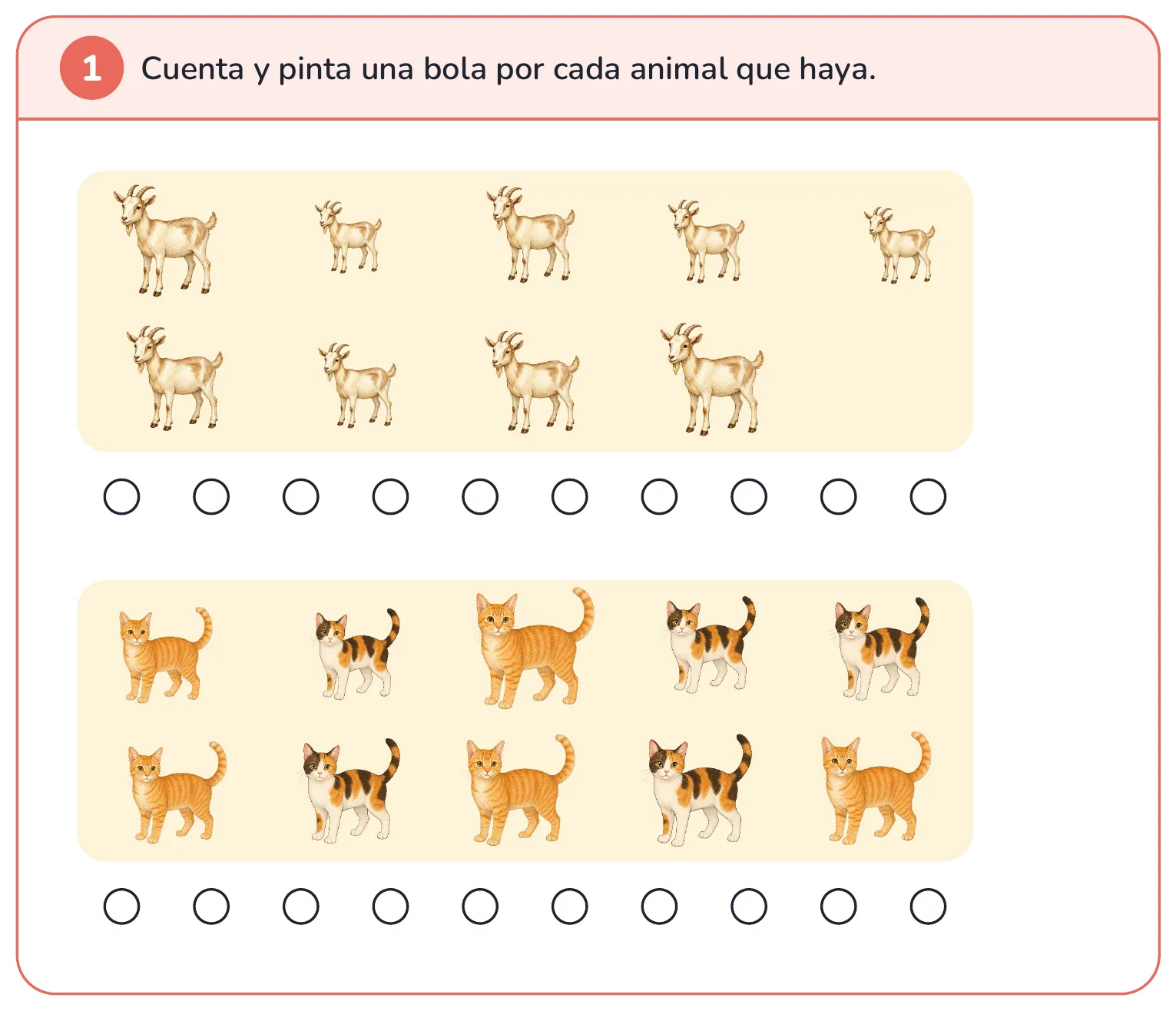
Paper maths worksheets for the classroom
In schools, the maths activities can also be done on paper. Each pupil gets their own personalised worksheets —counting quantities, placing numbers on the number line, calculating— and the teacher marks them by taking a photo with a phone. Schools can work without tablets or combine screen and paper, with the same progress tracking.
Grounded in science
NeurekaLab is a spin-off of the University of Barcelona and UVic-UCC. Assessment and intervention are structured following the DSM and backed by scientific studies.