What dyslexia is
Dyslexia has a neurobiological basis and is not explained by a lack of intelligence, effort or opportunities to learn, nor by vision or hearing problems. Diagnostic manuals (DSM) describe it as a specific learning disorder with impairment in reading.
It mainly affects decoding —turning letters into sounds and recognising written words— and, as a result, reading speed, spelling and sometimes comprehension.
Signs of dyslexia by age
- Early years (ages 4 and 5): finds it hard to learn letter names and sounds, to find rhymes or to split a word into syllables.
- Ages 6 to 8: reads very slowly, syllable by syllable and with errors, confuses similar letters (b and d, p and q) or “guesses” words from the first letter.
- From age 8 or 9: reads correctly but very slowly and with great effort, struggles to understand what they read and makes many spelling mistakes.
No single sign means there is dyslexia. What matters is that several appear and persist despite practice and support.
Online dyslexia test: how NeurekaLab assesses reading
NeurekaLec is NeurekaLab’s reading test. It takes 15–20 minutes, scoring is automatic and the report is ready instantly.
It distinguishes the processes involved in reading —the lexical route, the phonological route and reading comprehension— and shows which ones the child finds hardest. This helps decide whether to seek advice and how to focus support. Dyslexia is always diagnosed by a professional: a psychologist, neuropsychologist or speech therapist.
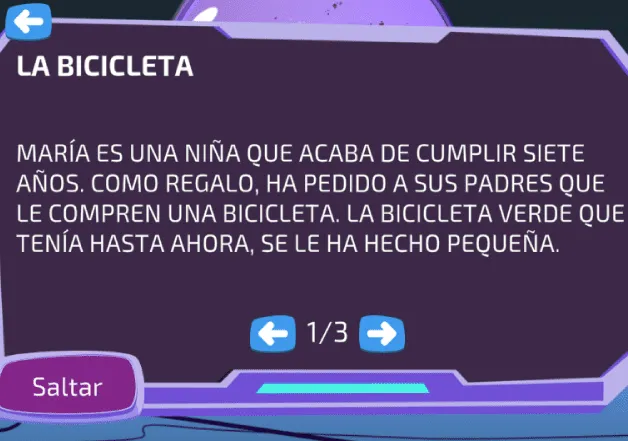
Exercises for children with dyslexia
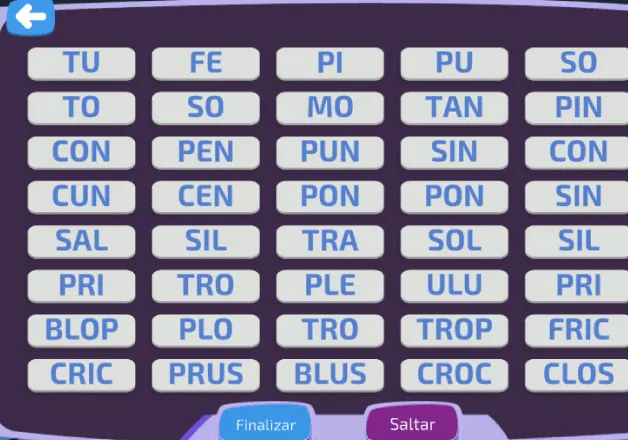
Based on the results, reading activities adapt automatically to each child’s level and progress. They work on the processes the child finds hardest, in short sessions of 15 minutes at most, and the child learns through play.
- Families: at home, with the NLab Family app and easy-to-read progress reports.
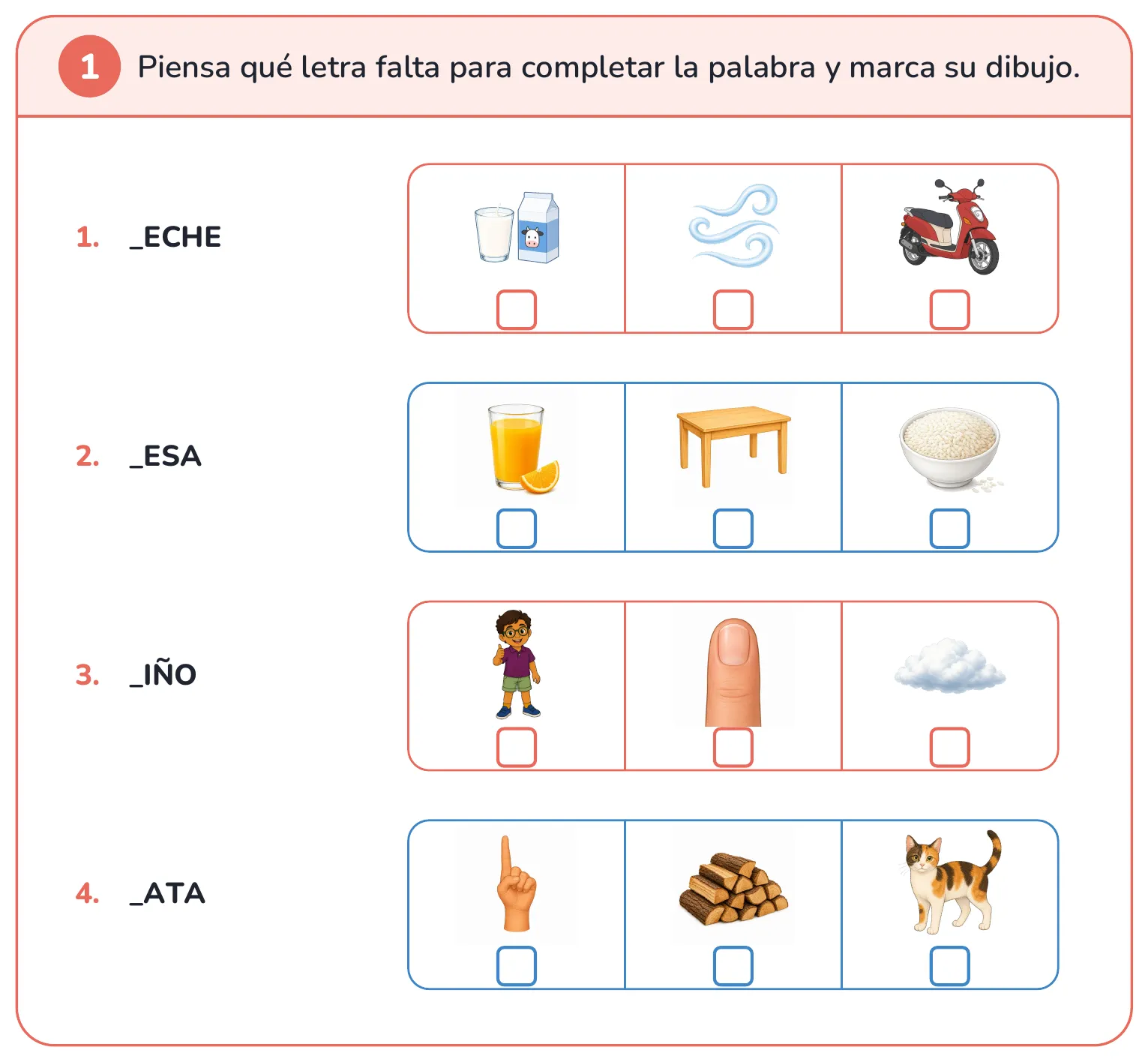
- Schools: in the classroom, in the app or on paper worksheets marked with a photo.
- Professionals: in the clinic and at home between sessions, with objective progress data.
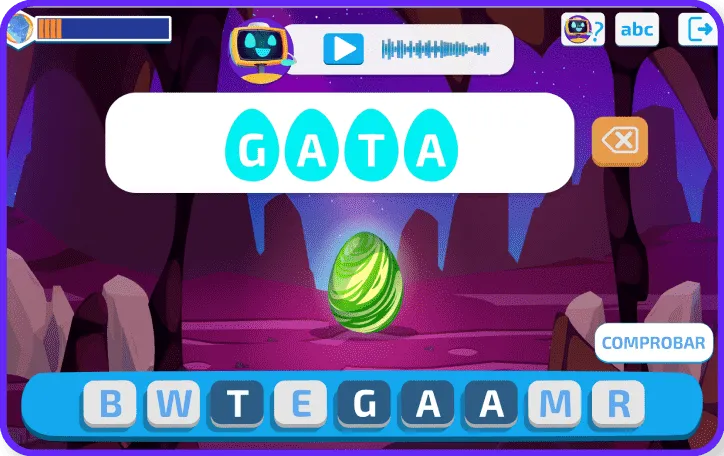
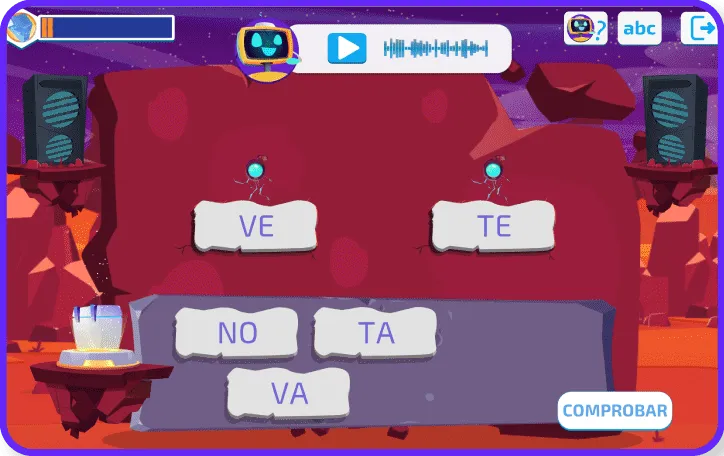
Paper reading worksheets for the classroom
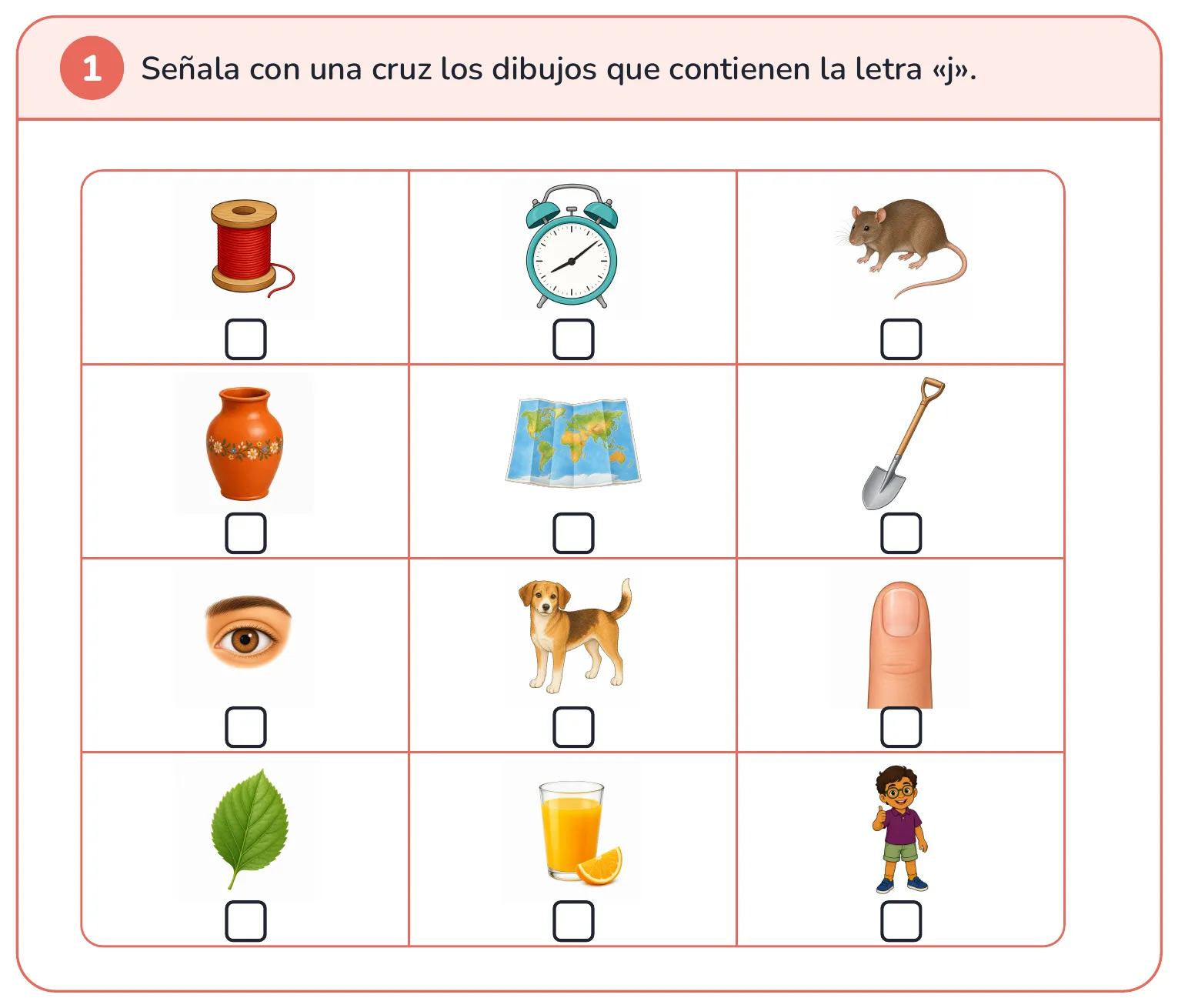
In schools, the reading activities can also be done on paper. Each pupil gets their own personalised worksheets —linking sounds and letters, recognising words, reading sentences— and the teacher marks them by taking a photo with a phone. Schools can work without tablets or combine screen and paper, with the same progress tracking.
Grounded in science
NeurekaLab is a spin-off of the University of Barcelona and UVic-UCC. Assessment and intervention are structured following the DSM and backed by scientific studies.